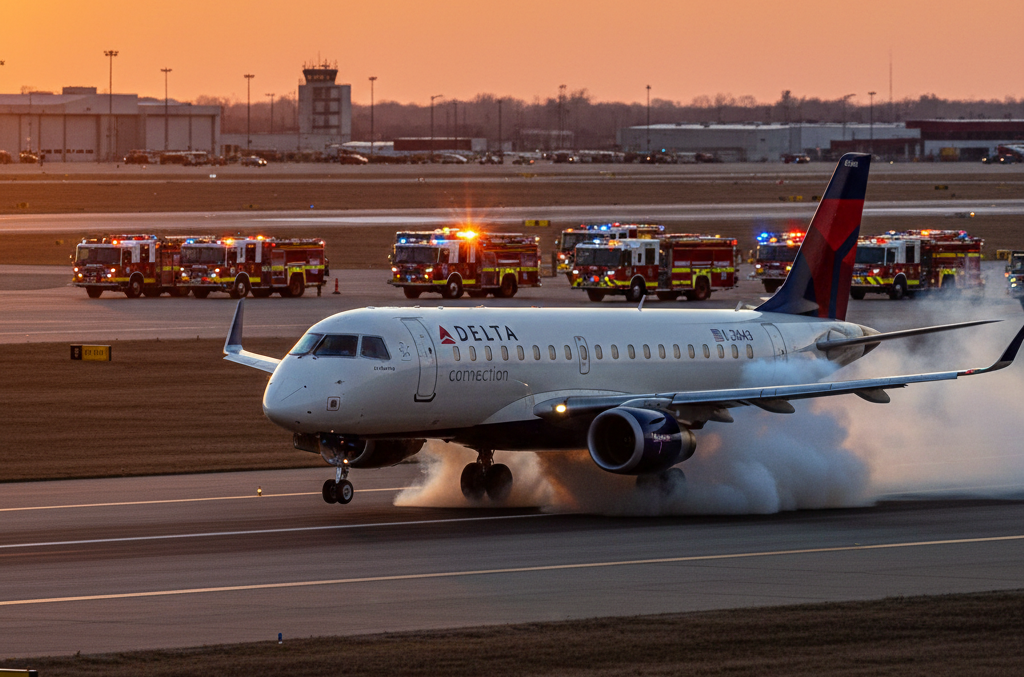
delta connection dl3543 emergency landing
Introduction to Delta Connection DL3543 Emergency Landing
A comprehensive overview of aviation safety, crisis management, and the professional protocols that ensure passenger security.
On a routine flight from the bustling city of Atlanta, Delta Connection DL3543 was forced to make an unexpected emergency landing. While such events are rare, they serve as an important reminder of the strict safety protocols airlines have in place to ensure the safety of all passengers and crew members. Emergency landings, though unsettling, are often the result of a combination of technical issues, quick-thinking by the flight crew, and the preparation of the airline.
This article will explore what happened during the Delta Connection DL3543 emergency landing, the factors that led to the decision, and how the airline handled the situation with professionalism and precision. Additionally, we’ll dive into the importance of flight crew training, emergency response procedures, and how technology plays a vital role in managing such crises. If you’ve ever wondered how airlines respond to emergency situations or wanted to know more about the behind-the-scenes actions that ensure passenger safety, this article will answer all your questions.

What Led to the Delta Connection DL3543 Emergency Landing?
The Delta Connection DL3543 flight was scheduled to travel from Atlanta to a smaller regional airport, but during the course of the flight, the pilot encountered an unexpected issue. While the exact nature of the emergency was not immediately clear, it was later confirmed that a technical malfunction triggered the decision to make an emergency landing. Air traffic control and ground crews were informed, and the flight crew quickly assessed the situation, ensuring that all passengers were kept informed and calm during the stressful situation.
The flight crew, trained to handle such emergencies, remained composed, assessing the severity of the problem before making the necessary decision to divert to a nearby airport. In an emergency landing, the primary goal is to ensure the aircraft lands safely and without harm to the passengers and crew.
| Key Response Unit | Critical Responsibility |
|---|---|
| Flight Crew | Immediate technical assessment and passenger communication. |
| Air Traffic Control | Clearing airspace and directing the aircraft to the safest runway. |
| Ground Teams | Immediate fire, medical, and evacuation support upon touchdown. |
The Role of the Flight Crew in Emergency Situations
The flight crew plays an essential role in managing emergency situations, such as Delta Connection DL3543’s unexpected landing. Before taking to the skies, pilots undergo extensive training, which includes emergency procedures for a variety of situations. In this case, the pilots and cabin crew were able to quickly assess the issue, communicate with air traffic control, and determine the safest course of action.
In any emergency landing, the flight crew must remain calm and make decisions under pressure. Their quick thinking and adherence to standard operating procedures are what often make the difference between a routine incident and a disaster.
Air Traffic Control: A Crucial Part of the Response
While the flight crew handles the immediate situation inside the aircraft, air traffic control (ATC) plays a critical role in ensuring the aircraft can land safely. As soon as Delta Connection DL3543 declared an emergency, ATC coordinated with the nearest airports, cleared airspace, and directed the flight crew to the nearest available landing location. This seamless coordination between the flight crew and ATC is vital to the safety of both the aircraft and those on the ground.

Passengers’ Experience During an Emergency Landing
For passengers aboard Delta Connection DL3543, the emergency landing was undoubtedly a stressful and unnerving experience. However, the way the airline handled the situation made all the difference. Communication with the passengers was constant throughout the event. The crew provided clear and concise information on what was happening, ensuring passengers were aware of the situation and what to expect.
How Delta Connection Ensures Passenger Safety in Crisis Situations
Delta, like all major airlines, is committed to ensuring the safety of its passengers, especially during emergency situations. The Delta Connection DL3543 incident highlights the importance of both preparation and quick action. The airline’s emphasis on safety extends beyond the flight crew; the entire airline infrastructure, from training to communication systems, is designed to handle emergency landings smoothly.
The Importance of Technology in Emergency Response
Advancements in aviation technology have played a significant role in improving the safety of passengers. Aircraft like those used by Delta Connection are equipped with sophisticated systems that allow flight crews to monitor the plane’s performance in real-time. If something goes wrong, these systems can alert the crew to the issue and suggest the best course of action.
Emergency Landing Procedures: What Happens on the Ground?
Once Delta Connection DL3543 made the emergency landing, ground crews immediately stepped in to assist. Emergency landing procedures involve not only the flight crew but also the coordination of ground emergency teams, including fire and medical teams, who are ready to respond the moment the aircraft touches down. These teams ensure that the plane is safely evacuated if necessary and that medical support is on hand if any passengers require immediate care.
Understanding the Emotional Impact of Emergency Landings
For many passengers, an emergency landing can be a traumatic experience, and the emotional impact should not be underestimated. Although the flight crew’s professionalism is key to ensuring safety, emotional support is also an essential part of the recovery process. Airlines provide counseling services to assist passengers after an emergency landing.
Frequently Asked Questions (FAQs)
1. Why did Delta Connection DL3543 make an emergency landing?
The Delta Connection DL3543 flight made an emergency landing due to a technical malfunction. The flight crew quickly assessed the situation and decided that an emergency landing was the safest course of action.
2. How does the flight crew handle an emergency landing?
The flight crew is trained to stay calm, assess the situation, communicate with air traffic control, and make the best decision for passenger safety.
3. What role does air traffic control play during an emergency landing?
Air traffic control helps coordinate the landing by clearing airspace and guiding the aircraft to the nearest airport. They work closely with the flight crew to ensure a safe landing.
4. What should passengers expect during an emergency landing?
Passengers should expect clear communication from the flight crew, updates on the situation, and reassurance that everything is being done to ensure their safety.
5. How do airlines ensure safety during emergencies?
Airlines, like Delta, ensure safety by training flight crews thoroughly, maintaining aircraft with advanced technology, and having a clear emergency protocol in place.
6. What happens after the emergency landing?
After an emergency landing, ground crews are ready to assist with evacuations, medical care, and ensuring the plane is safely handled.
About the Author