How Do You Get a UTI
Urinary tract infections are very common. Many people experience them at least once in their life. A frequent question people ask is how do you get a UTI and why they happen so easily. A UTI occurs when bacteria enter the urinary system and begin to grow. This can affect the bladder, urethra, ureters, or kidneys. The urinary system usually protects the body from bacteria. But sometimes germs enter and cause infection. Most infections happen in the bladder or urethra. Women get UTIs more often than men because their urethra is shorter. This makes it easier for bacteria to reach the bladder.
Understanding how do you get a UTI helps people reduce their risk. Simple daily habits like drinking water, maintaining hygiene, and urinating regularly can lower the chances of infection. In this detailed guide, you will learn the causes, symptoms, risk factors, treatment options, and prevention strategies to keep your urinary system healthy.
What Is a Urinary Tract Infection (UTI)?
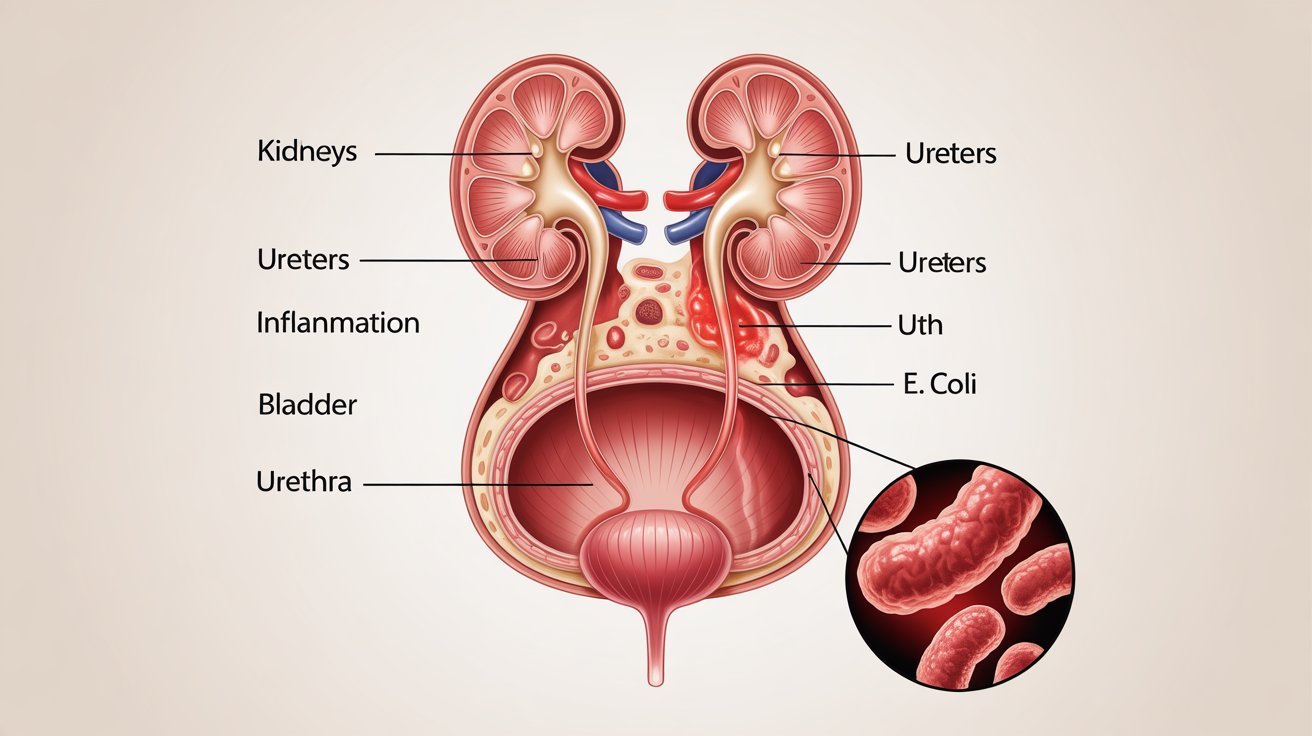
A urinary tract infection is an infection that affects any part of the urinary system. The urinary system includes the kidneys, ureters, bladder, and urethra. These organs work together to remove waste and extra fluid from the body through urine. Most UTIs happen in the lower urinary tract. This includes the bladder and urethra. When bacteria enter this area, they multiply and cause irritation. This leads to common symptoms like burning during urination, frequent urge to urinate, and pelvic discomfort.
The most common bacteria that cause UTIs is E. coli. This bacteria normally lives in the digestive system. However, when it moves into the urinary tract, it can create infection. Understanding how do you get a UTI is important because prevention is often easier than treatment. Early diagnosis and treatment can prevent the infection from spreading to the kidneys. Kidney infections are more serious and require medical attention quickly.
How Do You Get a UTI?
Many people wonder how do you get a UTI in the first place. UTIs happen when bacteria enter the urethra and travel into the bladder. Once inside, the bacteria grow and cause infection. One common cause is poor hygiene. Bacteria from the digestive tract can move toward the urethra. For example, wiping from back to front after using the bathroom may spread bacteria. This increases the risk of infection.
Sexual activity is another reason people develop UTIs. During intercourse, bacteria can move into the urinary tract. This is why doctors often recommend urinating after sex to flush bacteria out. Holding urine for long periods can also increase risk. When urine stays in the bladder too long, bacteria have more time to grow. Drinking too little water can also slow the flushing process. Understanding how do you get a UTI allows people to make simple lifestyle changes that protect urinary health.
Common Causes of UTIs
There are several reasons people develop urinary infections. Learning these causes helps explain how do you get a UTI and what increases risk. The most common cause is bacterial transfer from the digestive tract. This often happens through poor hygiene or improper wiping habits. Bacteria like E. coli can easily move from the anus to the urethra. Another cause is sexual activity. Friction during sex may push bacteria toward the urethra. This does not mean sex causes infection directly, but it increases the chance bacteria will enter the urinary system.
Certain birth control methods may also increase risk. Diaphragms and spermicides can change the natural balance of bacteria around the genital area. Weak immune systems also play a role. People with diabetes or chronic illnesses may have more difficulty fighting infection. This makes UTIs more likely to develop and harder to prevent. Understanding how do you get a UTI helps people recognize these risk factors and take steps to avoid them.
Risk Factors That Increase UTI Chances
Some people develop UTIs more often than others. These risk factors help explain how do you get a UTI repeatedly. Women have a higher risk because their urethra is shorter than men’s. This allows bacteria to reach the bladder more quickly. Hormonal changes during pregnancy or menopause can also increase risk. Urinary tract blockages are another factor. Kidney stones or an enlarged prostate can prevent urine from flowing normally. When urine remains in the bladder, bacteria can grow more easily.
Using urinary catheters can also increase risk. Catheters may introduce bacteria directly into the urinary tract if not managed properly. Another risk factor is dehydration. When people drink little water, they urinate less often. This means bacteria stay longer in the urinary tract. Understanding how do you get a UTI repeatedly often involves identifying these risk factors and managing them carefully.
Early Signs and Symptoms of a UTI
Recognizing symptoms early is important. Many people who ask how do you get a UTI first notice unusual changes while urinating. The most common symptom is a burning feeling during urination. This irritation occurs because bacteria inflame the lining of the urinary tract. Another symptom is a strong and frequent urge to urinate. People may feel the need to urinate even when the bladder is almost empty.
Cloudy or strong-smelling urine is also common. Sometimes urine may appear pink or slightly red due to small amounts of blood. Some people experience pelvic pain or lower abdominal discomfort. In more serious cases, fever or back pain may develop. These signs may indicate the infection has reached the kidneys. Recognizing these symptoms early helps people seek treatment before the infection becomes severe.
How UTIs Spread Inside the Urinary System
Many people ask how do you get a UTI and how the infection spreads inside the body. The infection usually begins in the urethra. The urethra is the tube that carries urine out of the body. When bacteria enter this area, they travel upward toward the bladder. Once bacteria reach the bladder, they begin to multiply quickly. This causes inflammation and leads to common symptoms like urgency and burning.
If the infection is not treated, bacteria may move further up the urinary tract. They can reach the ureters and eventually the kidneys. Kidney infections are more serious and may require hospital treatment. Understanding how do you get a UTI and how infections spread highlights the importance of early treatment and prevention.
How Doctors Diagnose a UTI
When someone shows symptoms, doctors run tests to confirm the infection. Understanding how do you get a UTI also involves learning how it is diagnosed. The most common test is a urine analysis. The patient provides a urine sample that doctors examine for bacteria, white blood cells, or blood.
Sometimes doctors perform a urine culture. This test identifies the exact bacteria causing the infection. Knowing the bacteria helps doctors choose the most effective antibiotics. In cases of repeated UTIs, doctors may use imaging tests. Ultrasounds or CT scans check for kidney stones, structural issues, or blockages. Quick diagnosis ensures patients receive the right treatment early. This prevents complications and speeds recovery.
Treatment Options for UTIs
Once diagnosed, UTIs are usually treated with antibiotics. These medications kill the bacteria causing the infection. Doctors select antibiotics based on the type of bacteria found in the urine test. Treatment typically lasts three to seven days. Most people feel relief within a day or two after starting medication.
Pain relief medications may also help reduce burning or discomfort. Drinking plenty of water is important during treatment. Water helps flush bacteria out of the urinary tract. People often ask how do you get a UTI again after treatment. Sometimes infections return if the full antibiotic course is not completed. Always finish the prescribed medication even if symptoms improve early. Early treatment is important because untreated infections may spread to the kidneys.
Simple Ways to Prevent UTIs
Prevention is the best strategy once you understand how do you get a UTI. Simple habits can greatly reduce the risk. Drinking plenty of water helps flush bacteria out of the urinary system. Experts recommend at least six to eight glasses daily. Good hygiene is also important. Always wipe from front to back after using the bathroom. This prevents bacteria from spreading toward the urethra.
Urinating after sexual activity can help remove bacteria that may have entered the urinary tract. Avoid holding urine for long periods. Emptying the bladder regularly prevents bacteria from growing. Wearing breathable cotton underwear can also help. Tight clothing may trap moisture and encourage bacterial growth. Small daily habits can greatly reduce the chances of developing a urinary tract infection.
Foods and Drinks That Support Urinary Health
Diet can also play a role in urinary health. Many people exploring how do you get a UTI also ask how nutrition helps prevention. Water is the most important drink for urinary health. It dilutes urine and helps flush bacteria from the bladder. Cranberry juice is often discussed as a natural support for urinary health. Some research suggests it may help prevent bacteria from sticking to the bladder walls.
Foods rich in vitamin C may also support urinary health. Vitamin C increases urine acidity, which may reduce bacterial growth. Probiotic foods like yogurt may help maintain healthy bacteria balance in the body. While diet alone cannot cure infections, healthy eating habits can support prevention and overall urinary health.
Complete Overview Table
| Topic | Key Information |
|---|---|
| Main Cause | Bacteria entering the urethra |
| Common Bacteria | E. coli |
| Main Symptoms | Burning urination, frequent urge, cloudy urine |
| High Risk Groups | Women, pregnant women, older adults |
| Diagnosis | Urine test and urine culture |
| Treatment | Antibiotics and hydration |
| Prevention | Hygiene, hydration, urinating regularly |
| Serious Complication | Kidney infection |
Frequently Asked Questions
1. How do you get a UTI most commonly?
The most common cause is bacteria entering the urethra from the digestive tract. Poor hygiene, sexual activity, and holding urine too long can increase the risk.
2. Can dehydration cause UTIs?
Dehydration does not directly cause infection, but it increases risk. Drinking less water reduces urination, allowing bacteria to grow more easily.
3. Are UTIs contagious?
UTIs are not considered contagious. However, sexual activity can transfer bacteria that may cause infection in some cases.
4. Can men get UTIs?
Yes, men can develop UTIs, though it is less common. Risk increases with age, prostate enlargement, or urinary blockages.
5. How long does a UTI last?
With proper treatment, symptoms usually improve within 24–48 hours. Full recovery often takes several days depending on severity.
6. When should someone see a doctor?
Medical attention is needed if symptoms include fever, back pain, vomiting, or blood in urine. These signs may indicate a kidney infection.
Conclusion
Understanding how do you get a UTI is the first step toward preventing this common infection. UTIs usually occur when bacteria enter the urinary tract and multiply in the bladder. Factors like poor hygiene, dehydration, and sexual activity can increase the risk. The good news is that most UTIs are easy to treat when diagnosed early. Antibiotics, hydration, and proper medical care usually resolve the infection quickly. Recognizing symptoms such as burning urination or frequent urges helps people seek treatment sooner.
Simple daily habits can greatly reduce the chances of infection. Drinking enough water, maintaining good hygiene, and urinating regularly are powerful prevention strategies. By staying informed and taking care of urinary health, people can avoid discomfort and maintain a healthy lifestyle.
About the Author