tahhiini
Introduction:
Tahhiini is quickly becoming one of the most loved natural spreads in modern kitchens. This creamy sesame-based paste is simple, rich, and packed with flavor. Many people in the United States are discovering tahhiini as a healthy and delicious ingredient that fits into everyday meals. It has a smooth texture, a nutty taste, and amazing nutrition that makes it stand out among other spreads. Whether you enjoy it in sauces, dips, salad dressings, or sweet recipes, tahhiini adds depth and richness to food without complicated preparation. Food lovers also appreciate how easy it is to use. You can stir it into warm dishes, blend it into smoothies, or drizzle it over roasted vegetables.
As plant-based eating continues to grow in popularity, tahhiini is becoming a powerful pantry staple that delivers both flavor and nutrition in one simple ingredient.
What Is Tahhiini?
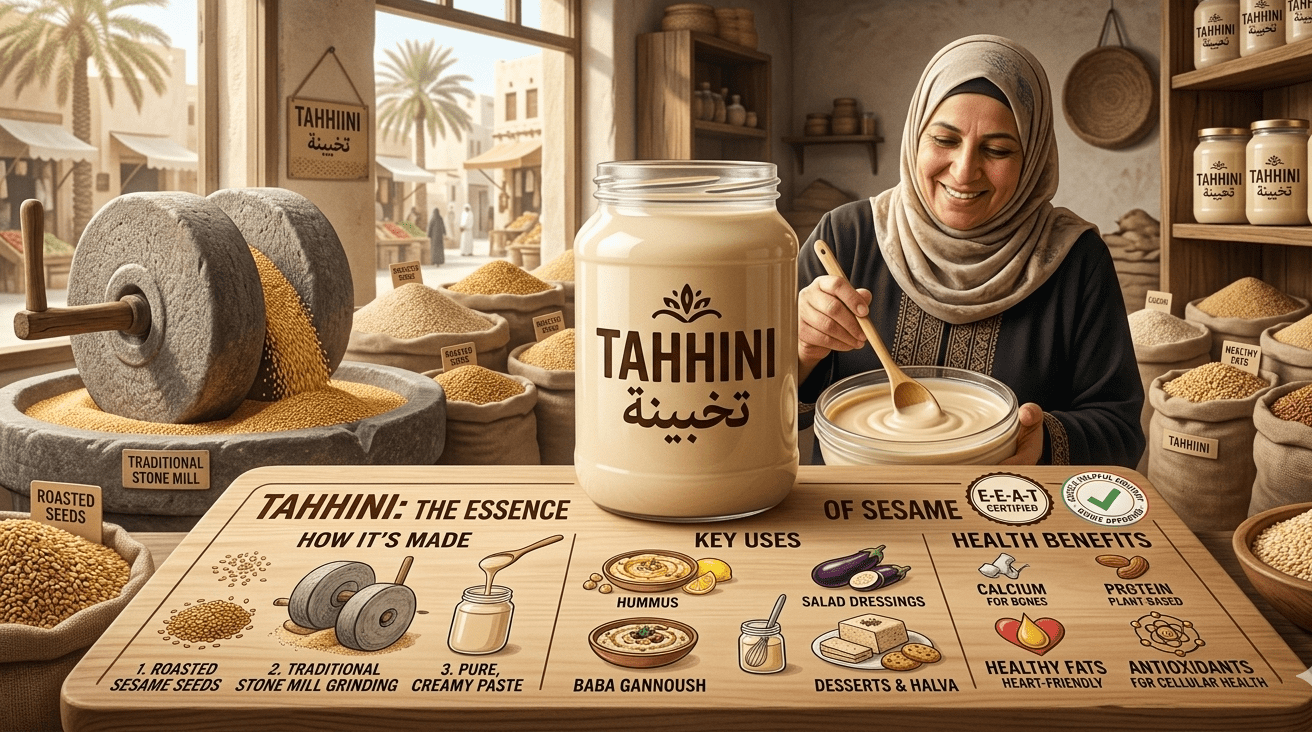
Tahhiini is a creamy paste made from ground sesame seeds. The seeds are lightly toasted and then blended until they form a smooth, thick spread. The result is a rich paste with a nutty taste and a silky texture that works well in both savory and sweet foods. Many people compare tahhiini to peanut butter because of its consistency, but the flavor is very different. It has a deeper, slightly earthy taste that pairs well with vegetables, grains, meats, and desserts. Tahhiini has been used for centuries in Middle Eastern and Mediterranean cooking.
Classic dishes like hummus and baba ganoush rely on this ingredient for flavor and creaminess. Today, tahhiini is gaining popularity in American kitchens because it offers a natural, plant-based source of protein, healthy fats, and minerals that support a balanced diet.
Why Tahhiini Is Becoming Popular in the USA
Over the last few years, tahhiini has moved from specialty grocery stores into mainstream supermarkets across the United States. Many American shoppers are searching for healthier alternatives to processed sauces and spreads. Tahhiini fits perfectly into this lifestyle because it is simple, natural, and full of nutrients. People love that it contains no artificial ingredients and can easily replace dairy-based sauces. The rise of Mediterranean food trends has also helped boost the popularity of tahhiini. Restaurants are adding tahhiini dressings, bowls, and dips to their menus, which encourages people to try it at home.
Social media food creators also share creative tahhiini recipes, from breakfast smoothies to creamy pasta sauces. This growing exposure is helping tahhiini become a trusted ingredient for home cooks who want healthy meals without sacrificing flavor.
Nutritional Value of Tahhiini
Tahhiini is much more than a tasty spread. It is packed with nutrients that support overall health. Sesame seeds naturally contain healthy fats, plant protein, vitamins, and important minerals. These nutrients help provide energy and support body functions. Tahhiini also contains antioxidants that help protect cells from damage. Many nutrition experts recommend sesame products because they provide calcium, magnesium, and iron, which are important for strong bones and healthy blood circulation. Unlike many processed spreads, tahhiini usually contains only one main ingredient: sesame seeds.
This makes it a clean and simple food choice. When eaten in moderate amounts, tahhiini can help support heart health and provide long-lasting energy throughout the day.
Detailed Nutritional Table for Tahhiini
| Nutrient | Amount per 1 tablespoon | Health Benefit |
|---|---|---|
| Calories | 90 | Provides energy |
| Protein | 3 grams | Supports muscle growth |
| Healthy Fats | 8 grams | Good for heart health |
| Calcium | 64 mg | Strengthens bones |
| Iron | 1.3 mg | Helps oxygen flow in blood |
| Magnesium | 14 mg | Supports nerve function |
| Fiber | 1 gram | Helps digestion |
| Antioxidants | Natural compounds | Protect cells |
This table shows why tahhiini is often called a nutrient-dense food. A small amount delivers powerful benefits that support a balanced diet.
Health Benefits of Tahhiini
One of the biggest reasons people add tahhiini to their meals is its impressive health benefits. The healthy fats in tahhiini help support heart health and may help maintain balanced cholesterol levels. The sesame seeds used in tahhiini also contain plant compounds that support immune health. Another benefit is the protein content. Plant-based protein helps keep you feeling full for longer, which can support healthy weight management. Tahhiini also provides minerals that help strengthen bones and muscles. Many people also find that foods made with tahhiini are satisfying and comforting.
A small drizzle over vegetables or grains can turn a simple dish into something rich and flavorful. Because of its natural ingredients, tahhiini fits easily into vegetarian, vegan, and gluten-free diets.
Different Types of Tahhiini
Not all tahhiini tastes exactly the same. There are a few common varieties based on how the sesame seeds are processed. The most popular type is made from lightly toasted sesame seeds. This version has a deeper flavor and darker color. Another type uses raw sesame seeds, which produces a lighter color and a milder taste. Some brands also blend tahhiini with a little sesame oil to create a smoother texture. High-quality tahhiini usually has a creamy consistency and a fresh nutty aroma. When choosing tahhiini, many cooks prefer options with minimal ingredients.
Pure sesame tahhiini often delivers the best taste and nutrition. Understanding these small differences helps you select the perfect tahhiini for cooking, baking, or making sauces.
How Tahhiini Is Used in Cooking
Tahhiini is incredibly versatile in the kitchen. It can be used as a base for sauces, dips, salad dressings, and marinades. Many people mix tahhiini with lemon juice, garlic, and olive oil to create a creamy dressing for vegetables or grain bowls. It is also a key ingredient in hummus, where it adds a smooth texture and nutty flavor. Some cooks enjoy spreading tahhiini on toast with honey or fruit for a quick breakfast. Others blend it into smoothies for added nutrition.
Tahhiini can also be used in baking recipes such as cookies and brownies. Its natural oils help create a moist texture while adding a unique flavor that makes desserts stand out.
Simple Tahhiini Recipe You Can Make at Home
Making tahhiini at home is easier than many people expect. All you need are sesame seeds and a food processor. Start by lightly toasting the sesame seeds in a pan until they release a warm aroma. Let the seeds cool for a few minutes. Then place them in a food processor and blend until they become a thick paste. If the mixture seems too thick, you can add a small amount of neutral oil to help smooth it out.
Continue blending until the texture becomes creamy and spreadable. Homemade tahhiini often tastes fresher than store-bought versions. Many home cooks enjoy preparing it themselves because they can control the flavor and consistency.
Tahhiini in Mediterranean and Middle Eastern Cuisine
Tahhiini plays a central role in many traditional Mediterranean and Middle Eastern dishes. It is one of the key ingredients in hummus, a popular chickpea dip served with bread or vegetables. Tahhiini is also used in sauces served with grilled meats and roasted vegetables. In some cultures, tahhiini is mixed with date syrup or honey to create a sweet spread enjoyed at breakfast.
Street food vendors often drizzle tahhiini sauce over falafel sandwiches, adding a creamy texture that balances the crispy fried chickpeas. These traditional uses highlight the versatility of tahhiini and show how it has remained an essential ingredient for generations.
Creative Tahhiini Recipes for Modern Kitchens
Modern cooks are discovering many creative ways to use tahhiini beyond traditional dishes. Some chefs blend tahhiini into creamy pasta sauces to replace heavy dairy ingredients. Others mix it into salad dressings for a rich and nutty flavor. Tahhiini can also be added to smoothie bowls for extra protein and healthy fats. Many dessert lovers use tahhiini in cookies, brownies, and energy bars.
The nutty flavor pairs beautifully with chocolate, maple syrup, and bananas. Even roasted vegetables taste better when drizzled with a simple tahhiini sauce. These creative ideas show how tahhiini can easily adapt to modern cooking styles while still delivering amazing taste.
How to Choose High-Quality Tahhiini
Choosing high-quality tahhiini is important for both taste and nutrition. The best tahhiini usually contains only one ingredient: sesame seeds. When reading labels, look for products without added preservatives or artificial flavors. High-quality tahhiini often has a smooth texture and a natural sesame aroma. Some separation of oil on top is normal because natural sesame oil rises to the surface. Simply stir it before using. Color can vary depending on whether the seeds were roasted or raw.
A lighter color usually means a milder flavor, while darker tahhiini tends to have a deeper nutty taste. Buying from trusted brands or specialty food stores can help ensure you get a fresh and flavorful product.
Storing Tahhiini the Right Way
Proper storage helps keep tahhiini fresh and flavorful for a longer time. Most unopened jars can be stored in a cool pantry for several months. Once opened, many people prefer to keep tahhiini in the refrigerator. Cold storage slows down natural oil separation and helps maintain freshness. Before using refrigerated tahhiini, stir it well to combine the oils and paste. Always use a clean spoon when scooping tahhiini to avoid contamination.
If stored properly, tahhiini can remain fresh for several months after opening. Keeping the lid tightly sealed also prevents the paste from absorbing other flavors in the refrigerator.
Frequently Asked Questions About Tahhiini
What does tahhiini taste like?
Tahhiini has a rich, nutty flavor with a slightly earthy taste. The texture is creamy and smooth, similar to nut butter. Some varieties taste mild, while others have a deeper roasted flavor depending on how the sesame seeds were prepared.
Is tahhiini healthy?
Yes, tahhiini is considered a healthy food when eaten in moderation. It contains healthy fats, plant protein, fiber, and minerals like calcium and iron that support overall health.
Can tahhiini replace peanut butter?
Tahhiini can be used as an alternative to peanut butter in many recipes. While the flavor is different, it provides a creamy texture and strong nutritional benefits.
Is tahhiini good for vegan diets?
Tahhiini is completely plant-based, which makes it a great ingredient for vegan and vegetarian diets. Many people use it to create creamy sauces without dairy.
How long does tahhiini last?
Unopened tahhiini can last several months in a pantry. Once opened, it can stay fresh for a few months if stored properly in the refrigerator.
Can tahhiini be used in desserts?
Yes, tahhiini works very well in desserts. Its nutty flavor pairs beautifully with chocolate, honey, maple syrup, and fruits in cookies, cakes, and energy bars.
Conclusion
Tahhiini is more than just a simple sesame paste. It is a versatile ingredient that brings flavor, nutrition, and creativity to everyday meals. From traditional Mediterranean dishes to modern American recipes, tahhiini continues to win the hearts of food lovers around the world. Its creamy texture, rich taste, and powerful nutritional benefits make it a valuable addition to any kitchen. As more people explore healthy and natural foods, tahhiini is likely to become an even more popular staple in homes across the United States. Whether you drizzle it over vegetables, blend it into sauces, or use it in desserts, tahhiini offers endless possibilities for delicious and nourishing meals.
| Read More Informative Blogs Like This. Tap Here 👉 Sovereign Foods Quality Control |
About the Author